


The kimono, a traditional Japanese garment, has transcended its cultural origins to become a global symbol of minimalist fashion.
Its elegant lines and understated beauty make it the perfect choice for those seeking simplicity in their wardrobe.
With its versatile design, the kimono offers an array of styling options that cater to both formal and casual occasions.
Wearing a kimono showcases how less can indeed be more in the world of fashion.
Table of contents:
1. The History and Cultural Significance of the Kimono
2. The Versatility of the Kimono
3. Minimalism and Its Connection to the Kimono
4. Structure and Design of a Kimono
5. Kimomo Fabrics: Quality & Texture
6. The Elegance of Simple Patterns
The History and Cultural Significance of the Kimono
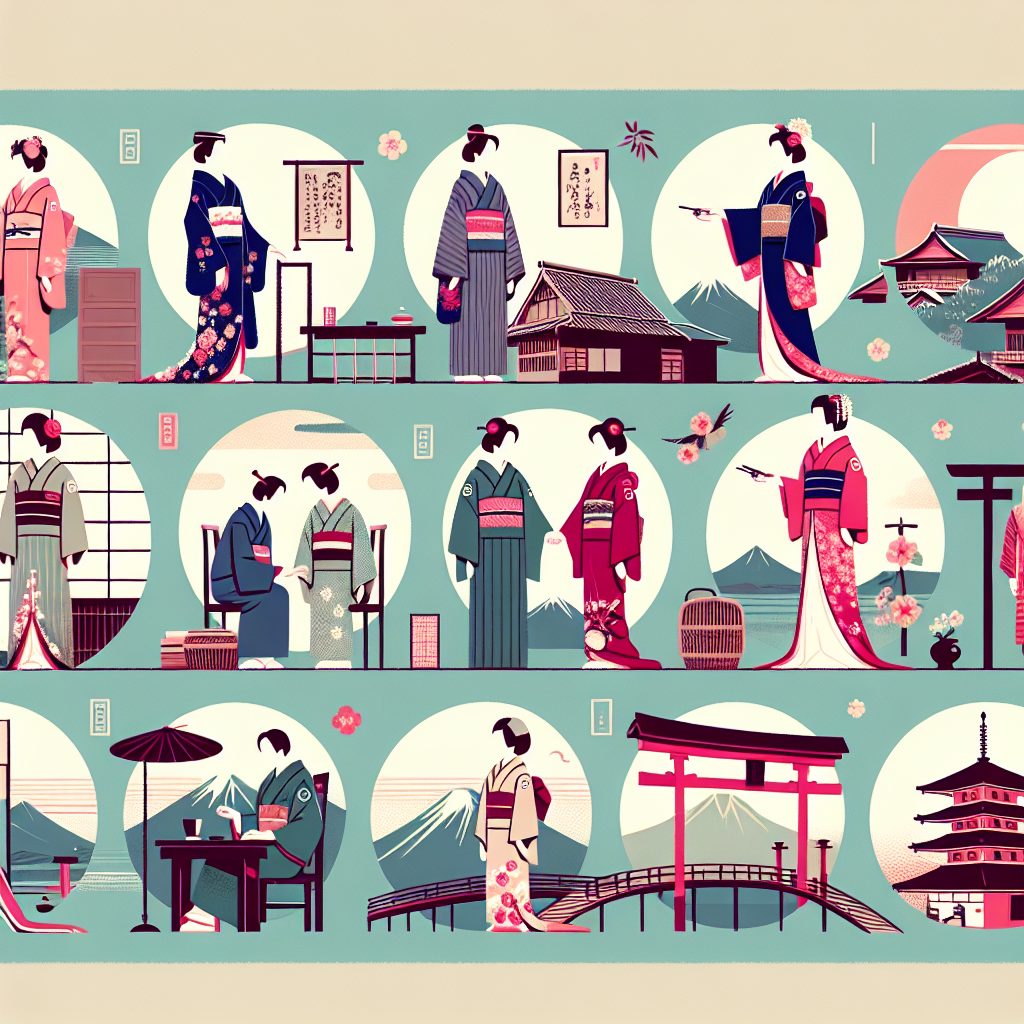
The kimono, Japan’s iconic attire, carries a rich history and profound cultural importance. Originating from ancient China, this traditional garment made its way to Japan by the 5th century AD.
Initially serving as an undergarment for both genders, it transformed into a status symbol in the Heian period (794-1185). Today, kimonos are reserved for special events like weddings and festivals.
Tracing its origins to ancient China enhances its mystique. By the 5th century AD, this elegant piece of clothing had crossed borders into Japan. It started as basic wear but gained prominence during the Heian era when it became associated with social hierarchy.
In contemporary times, while everyday use has waned, kimonos retain their ceremonial charm. They are cherished outfits at weddings or traditional festivals, as a testament to their enduring legacy and significance in Japanese culture.

The Yukata Kimono
The Versatility of the Kimono
The kimono stands out for its adaptability.
Though traditionally seen as formal wear in Japan, it has found a place in global fashion. Now, kimonos are valued both for their elegance and as trendy statement pieces across cultures. They grace the runways and elevate streetwear alike, showcasing their limitless styling possibilities.
Originating from Japan, the kimono has transcended its ceremonial roots to become a versatile fashion icon worldwide. Its seamless blend of tradition with contemporary style appeals to a broad audience. Whether paired with modern accessories or worn in its classic form, the kimono adds a unique touch to any outfit.
This garment’s journey from traditional Japanese attire to an international fashion staple highlights its enduring appeal and versatility. As it continues to inspire designers and stylists around the globe, the kimono remains at the forefront of cross-cultural exchange in fashion.

Minimalism and Its Connection to the Kimono
Japanese aesthetics celebrate minimalism and simplicity, principles that resonate worldwide.
The design philosophy of kimonos embodies this ethos perfectly. Characterized by clean lines, subdued colors, and exquisite craftsmanship, kimonos exemplify elegance.
In Japan, the kimono is not just clothing; it’s an art form
Each piece tells a story through its fabric choice, color combination, and intricate designs. This attention to detail reflects the deep cultural significance embedded in traditional Japanese wear.
Interestingly, while kimonos have ancient roots dating back centuries in Japan’s history, they remain incredibly relevant in modern fashion circles today. Designers often draw inspiration from their timeless beauty for contemporary creations.
Moreover, the global appeal of minimalist design has seen a surge in interest towards adopting kimono-inspired elements in interior decor and lifestyle products beyond fashion itself – showcasing versatility beyond traditional settings.

Structure and Design of a Kimono
A kimono, a traditional Japanese garment, is meticulously assembled from various components.
It features straight-seamed panels, or “tan,” connected at shoulder seams known as “seodare.” The elegant long sleeves, referred to as “sode,” extend towards intricately folded cuffs.
For unmarried women, these cuffs are called “furisode,” showcasing their status through their length and style.
In contrast, men’s kimonos have shorter sleeves termed “montsuki.”
Central to the ensemble is the wide sash named an “obi,” which cinches the kimono at the waist for a stunning silhouette. This attire not only reflects cultural heritage but also showcases intricate craftsmanship and artistry in its design.

Kimomo Fabrics: Quality & Texture
Kimonos, traditional Japanese garments, require high-quality fabric.
Silk stands out for its luxurious texture and natural shine, making it a preferred material. Yet, cotton and synthetic blends are becoming popular alternatives thanks to their affordability and low maintenance.
Fabric texture plays a crucial role in kimono aesthetics. “Rinzu,” a type of silk satin, incorporates woven patterns that enhance the garment’s visual appeal with depth and dimensionality.
Meanwhile, “chirimen” is known for its unique crinkled texture created by twisting tightly spun threads during the weaving process.

The Haori Kimono
The Elegance of Simple Patterns
Kimonos, traditionally linked with complex designs like floral motifs or geometric patterns known as “kasane-no-irome,” also celebrate simplicity.
The minimalist charm of single-color kimonos, referred to as “mofuku,” radiates understated elegance. These garments are perfect for somber events, showcasing the depth of Japanese cultural appreciation for both ornate and simple beauty.
In Japan’s rich textile history, kimonos stand for their symbolism and their integration into various ceremonies. Mofuku kimonos serve a special purpose by embodying respect and mourning during solemn occasions. This blend of aesthetics highlights the versatility and cultural significance of the kimono in Japanese tradition.
The Haori Kimono
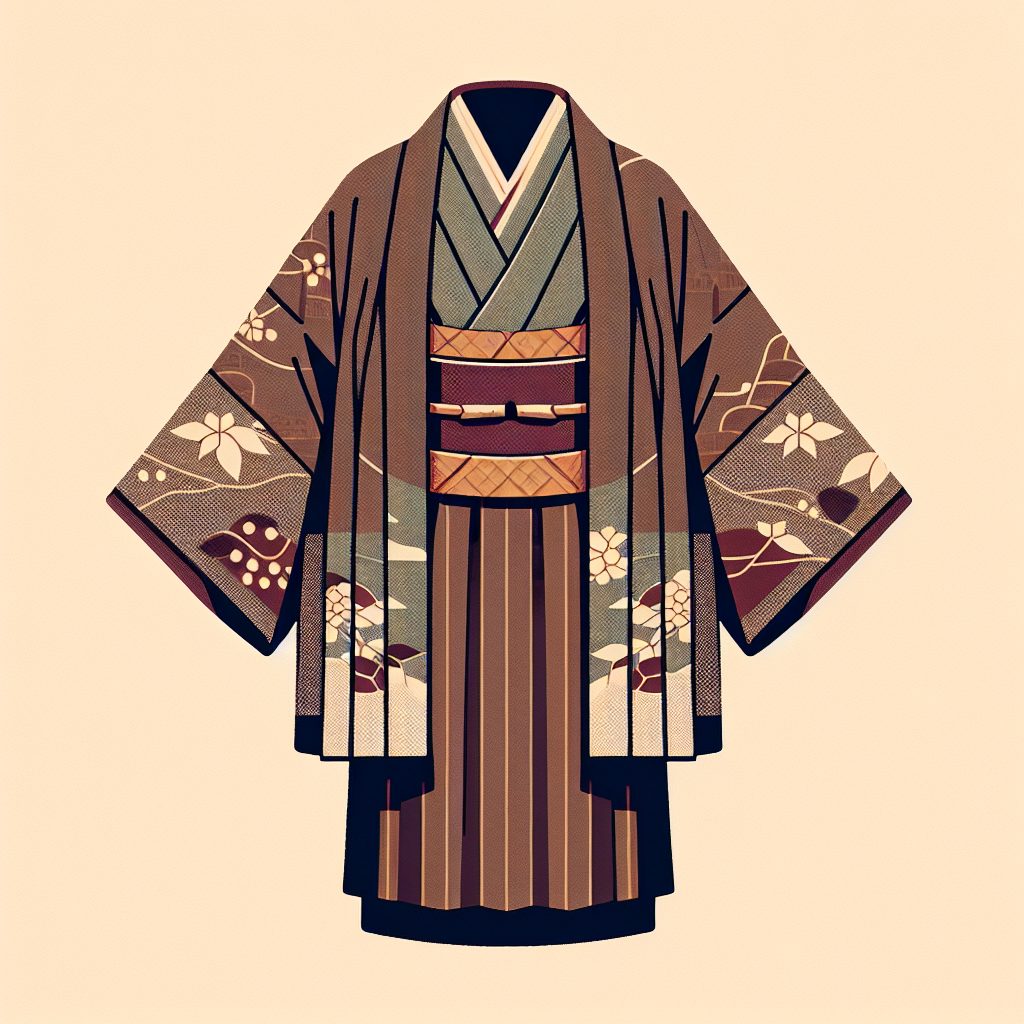
The haori, a chic outer layer, traces its origins back to the samurai era
Initially designed to shield armor from adverse weather conditions, it has evolved significantly. Today, it seamlessly blends with both traditional dresses and modern casual wear like jeans.
This versatile garment has transcended its practical roots to become a global fashion statement. Its adaptability is evident in the diverse ways people incorporate it into their wardrobes across continents. From Tokyo streets to New York fashion weeks, the haori symbolizes a unique fusion of history and contemporary style.
Crafted with care and attention to detail, each piece tells a story of cultural heritage while embracing modern aesthetics. Whether worn for its historical significance or as a trendy accessory, the haori stands out as an emblem of elegance and versatility in today’s fashion landscape.
The Yukata Kimono
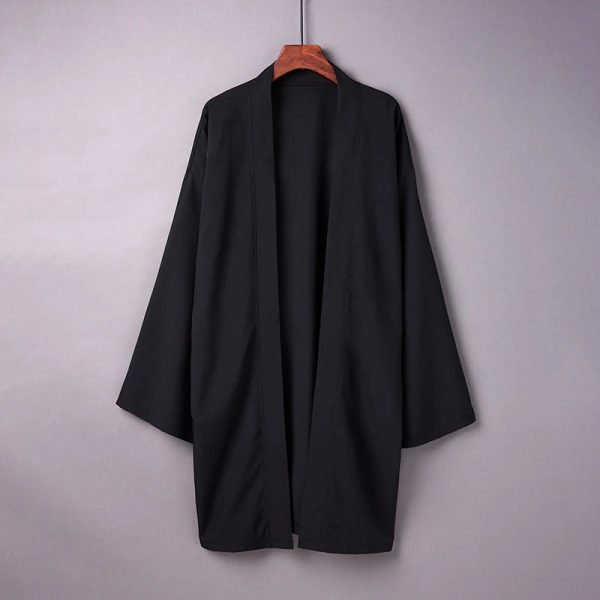
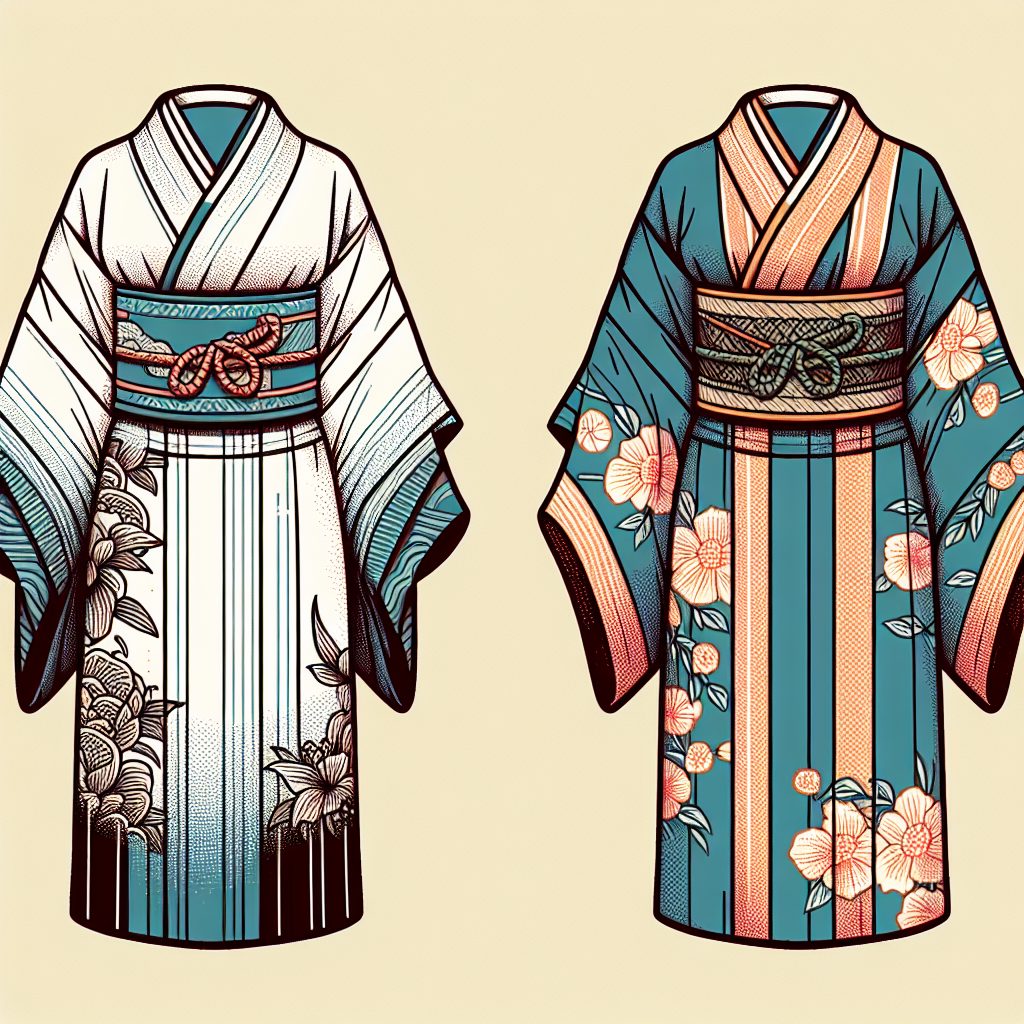
Yukatas, the summer variant of traditional kimonos, are crafted from a breathable cotton fabric. Ideal for festivals or sweltering summer days, they blend comfort with style.
Featuring vibrant colors and bold prints, yukatas stand out as a fashionable choice for any warm-weather event.
Originating in Japan, yukatas have evolved from bathrobes to sought-after fashion statements worldwide. Their lightweight nature makes them a preferred option during hot months.
Not only do these garments offer an aesthetic appeal but they also serve as a bridge between traditional Japanese culture and modern fashion trends. Each yukata tells its own story through unique motifs that symbolize various aspects of nature and life.
Embracing both tradition and contemporary style cues, yukatas continue to captivate wearers around the globe. Whether attending a festival or simply enjoying a summer day outdoors, donning a yukata adds an element of elegance while ensuring comfort.
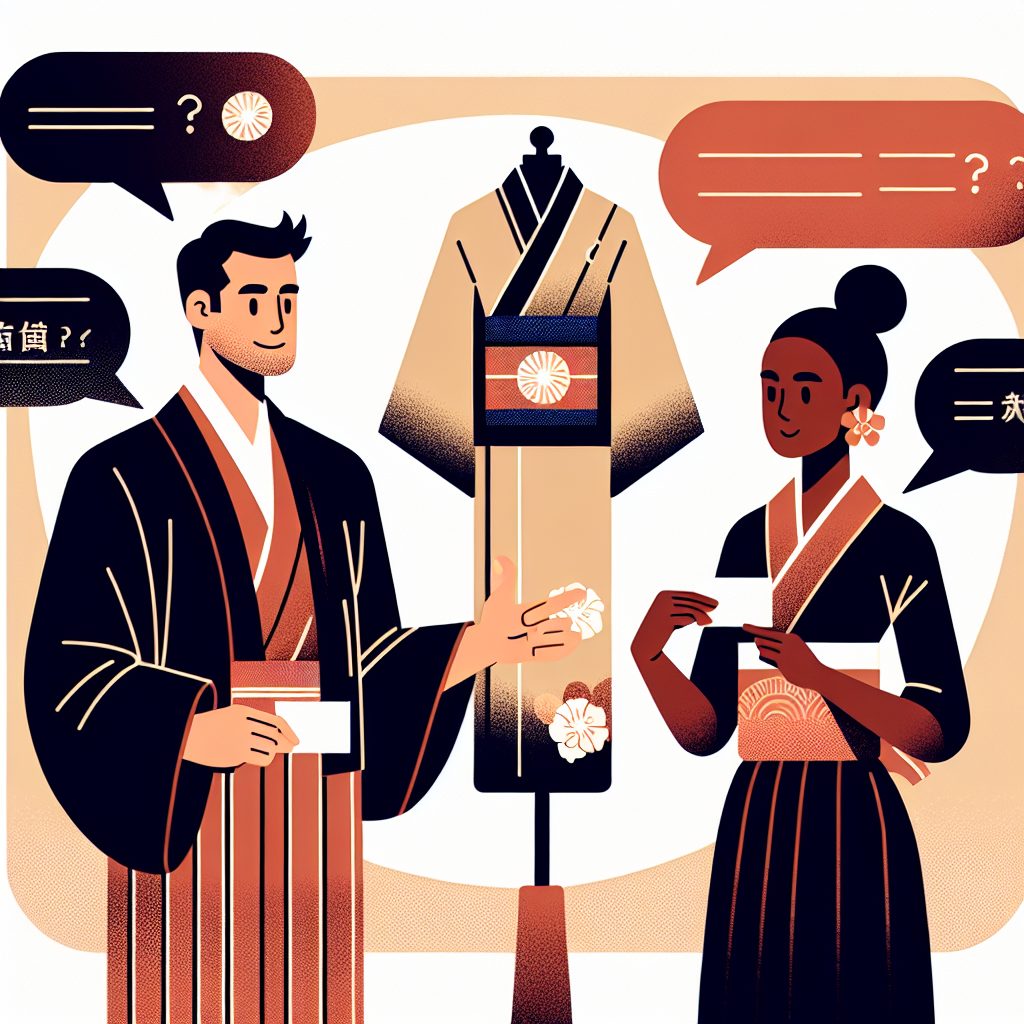
Frequently Asked Questions (Q-A)
Can anyone wear a kimono?
While traditionally worn by both men and women in Japan, kimono outfits have gained popularity worldwide and can be worn by anyone regardless of gender or cultural background.
How do you care for a kimono?
Depending on the fabric, it may require delicate handwashing or professional dry cleaning. Store kimono in a cool, dry place away from direct sunlight to prevent discoloration and mildew.
What distinguishes a kimono outfit in the context of minimalism?
A kimono outfit in the realm of minimalism is characterized by its simplicity and elegance. Unlike elaborate ensembles, it embodies a refined aesthetic with clean lines, neutral hues, and a focus on quality over quantity.
How does a kimono outfit reflect minimalist principles?
A kimono outfit reflects minimalist principles by prioritizing essentials and eschewing excess. Its design, often marked by unadorned fabrics and uncomplicated silhouettes, epitomizes the idea of “less is more.”
What makes a kimono outfit an ideal addition to a wardrobe?
The simplicity and versatility of a kimono outfit make it an ideal addition to a minimalist wardrobe. Its ability to be dressed up or down, paired with various pieces, and adapted to different occasions aligns perfectly with the concept of minimalism.
Conclusion
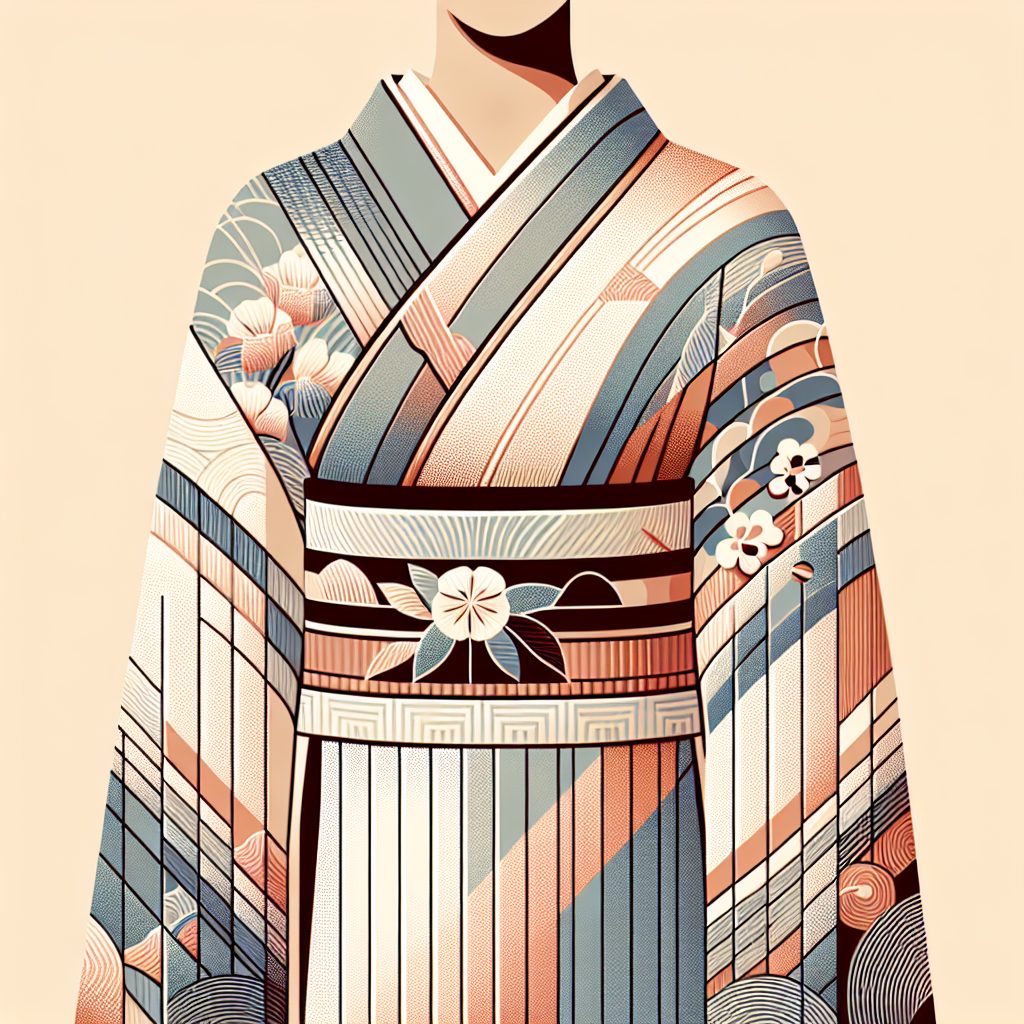
The kimoono attire embodies centuries of tradition, craftsmanship, and cultural significance. Its timeless appeal is evident as it gracefully adapts to various fashion trends.
The kimono stands out for its versatility. For grand events, an ornate silk version makes a stunning statement. Meanwhile, the yukata offers a casual alternative perfect for summer festivals. Across the globe, people are enchanted by the kimono’s elegance and beauty.
This traditional Japanese wear has survived and thrived in modern times. It continues to inspire and captivate with its intricate designs and deep-rooted history. The kimono remains a symbol of grace worldwide, proving that true style knows no boundaries.
Featured Products
The Yukata Kimono
The Haori Kimono
To deepen the subject
Some sources, resources, and references:


